

Your IPS journey begins with our training!
For over twenty years, we’ve been at the forefront of implementing high-quality Individual Placement and Support (IPS) in the UK. Our passion lies in empowering professionals like you to make a real difference in people’s lives. Click here to view our main IPS training webpage.
We are excited to support the roll out of Connect to Work with our IPS training.
Recommended training
Our IPS implementation training is designed specifically for senior managers and accountable bodies. It focuses on building the knowledge and confidence needed to set up and support high‑quality IPS services. This is usually the first training step for new Connect to Work programmes.
Once each IPS service has recruited its staff and they are “live” (i.e., started receiving referrals), anyone who will directly manage a caseload of IPS clients should attend our 2‑day course, Doing what works: IPS training for employment specialists.
We also offer two follow-on courses designed to be completed after attending Doing What Works, such as Leading for excellence, and employer engagement training, which help deepen practice once the basics are established.
Click on the courses below to find out more.
IPS implementation training
IPS implementation training
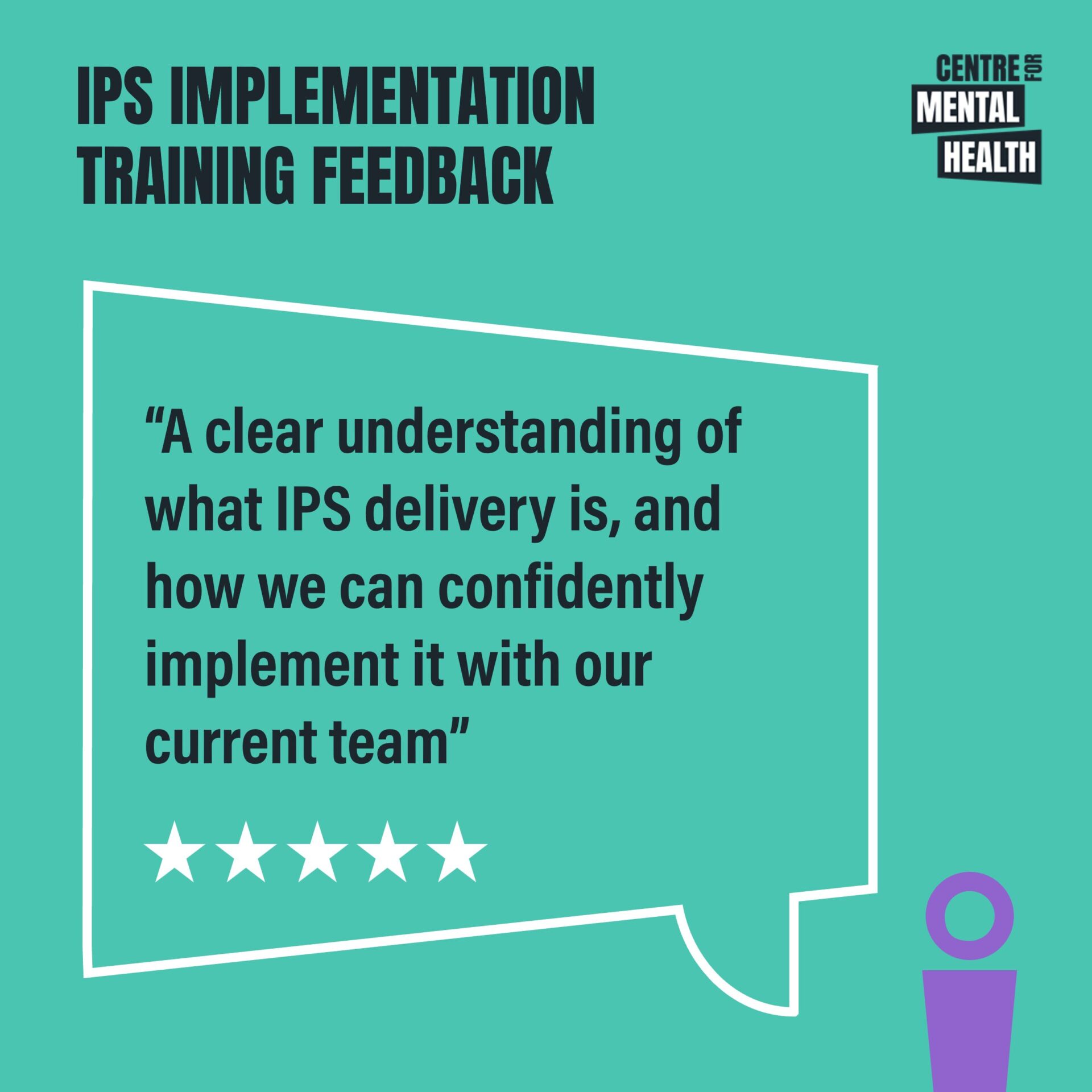
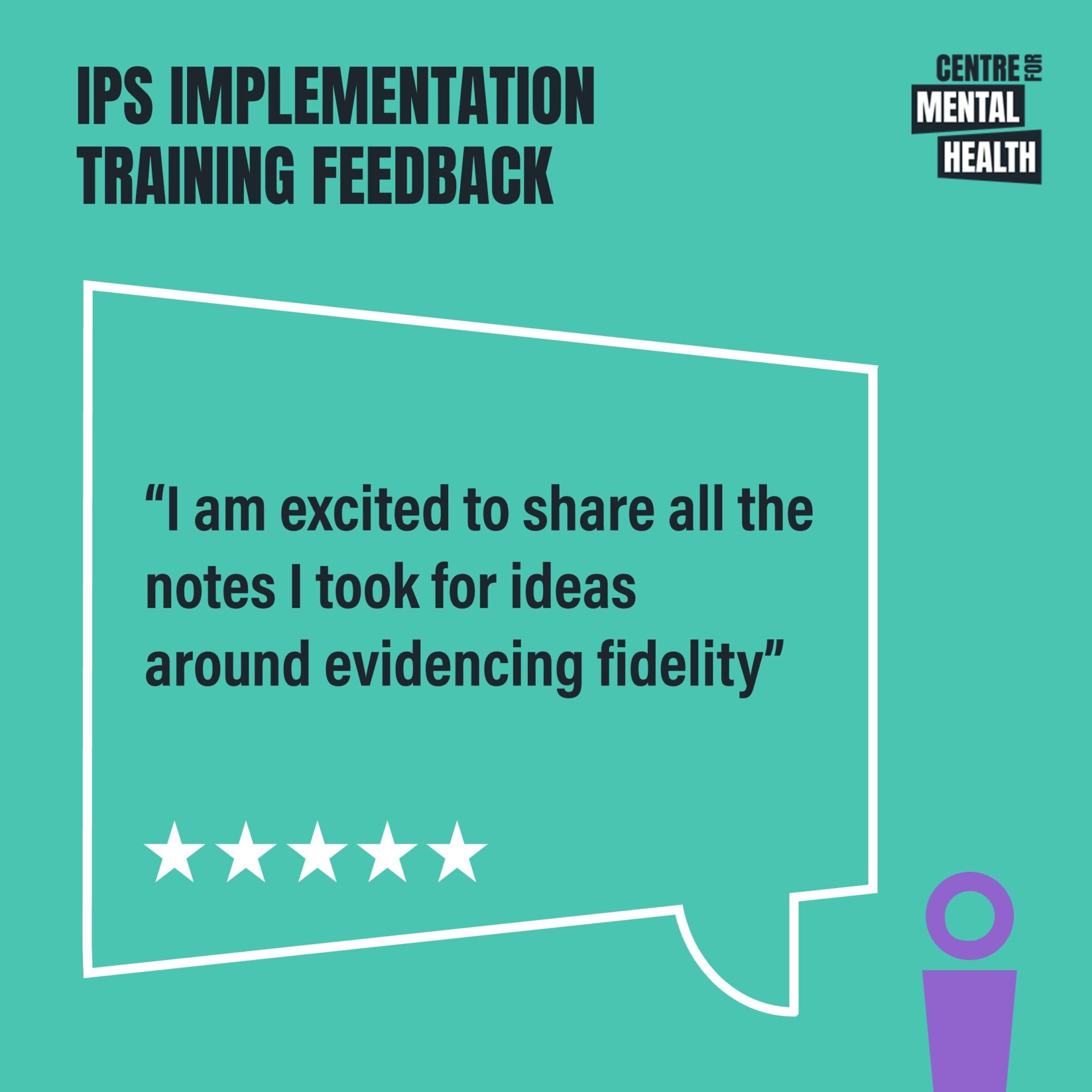
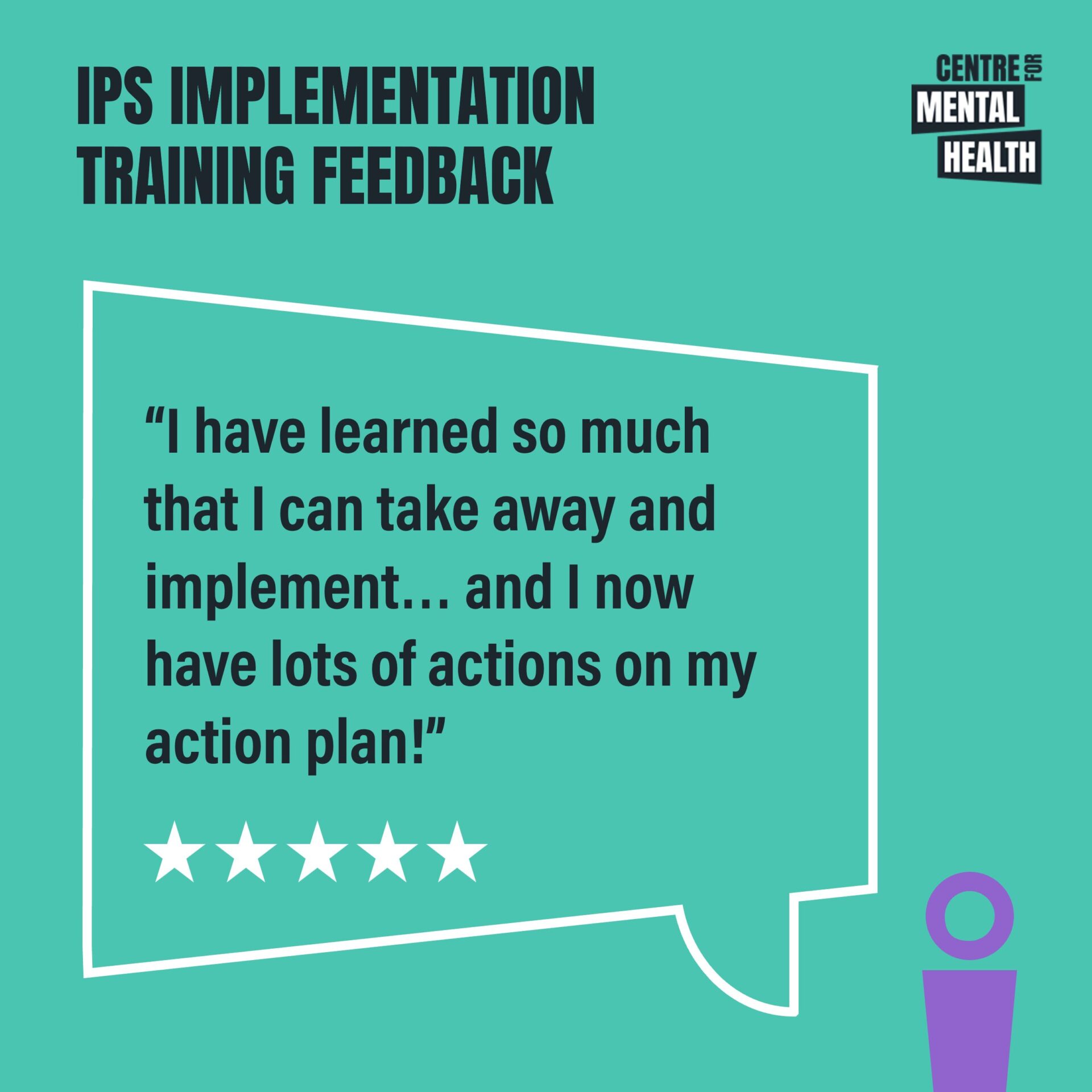
This 1-day course is designed for IPS implementation staff within Connect to Work programmes, and provides a strategic overview of IPS and fidelity to the model. It focuses on building the knowledge and confidence needed to set up and support a high‑quality IPS service from an implementation perspective.
The course thrives on active participation, delivered in small groups of up to 16 delegates where everyone gets involved.
Who should attend?
Staff who do not directly manage a caseload of IPS clients, including:
- Managers
- Directors
- Implementation staff
- Quality assurance staff
- Accountable bodies
- Commissioners
This course is not intended for employment specialists.
When to attend?
Anytime, ideally as soon as possible to assist with implementing IPS.
The training will cover:
- The principles of IPS
- Fidelity to the model
- What is expected from employment specialists
- What is expected from IPS team leaders and supervisors
- Integration in the Connect to Work setting
- Employer engagement using the IPS model
Delivered live-online, £210 + VAT per person.
Doing what works: IPS training for employment specialists
Doing what works: IPS training for employment specialists
This comprehensive 2-day training is designed for newly appointed IPS workers and covers the full approach to supporting people into paid employment using the IPS model.
Within the span of two days, you’ll learn the intricacies of the IPS model, from the initiation of a referral to vocational profiling, engaging employers, job placement and providing ongoing support, among other key steps. We explore the relevance of each of the 25 fidelity items and what best practice looks like.
The course thrives on active participation, delivered in small groups of up to 16 delegates. Everyone gets involved. We use a mixture of presentation, group work, discussion, breakout rooms, polls and homework to create an interactive learning experience.
Who should attend?
IPS workers who directly manage a caseload of IPS clients, which typically include:
- Employment specialists
- Senior employment specialists
- Team leaders
Senior staff who do not directly manage a caseload of IPS clients may instead choose to attend IPS implementation training.
When to attend this training:
New to post. It’s recommended that delegates complete their internal induction before attending this training, as this makes the content most relevant and impactful.
The training will cover:
- The 8 principles of IPS
- Integration with treatment teams
- The evidence for IPS
- The fidelity scale
- Overcoming barriers to employment
- Marketing and generating referrals
- Motivational tools
- Benefits advice
- Vocational profiling and action planning
- Disclosure
- Collaborating with other employment agencies
- Employer engagement
- Interview and job start preparation
- Ongoing support for employer and service user
- Case studies
- Ongoing personal development as an employment specialist
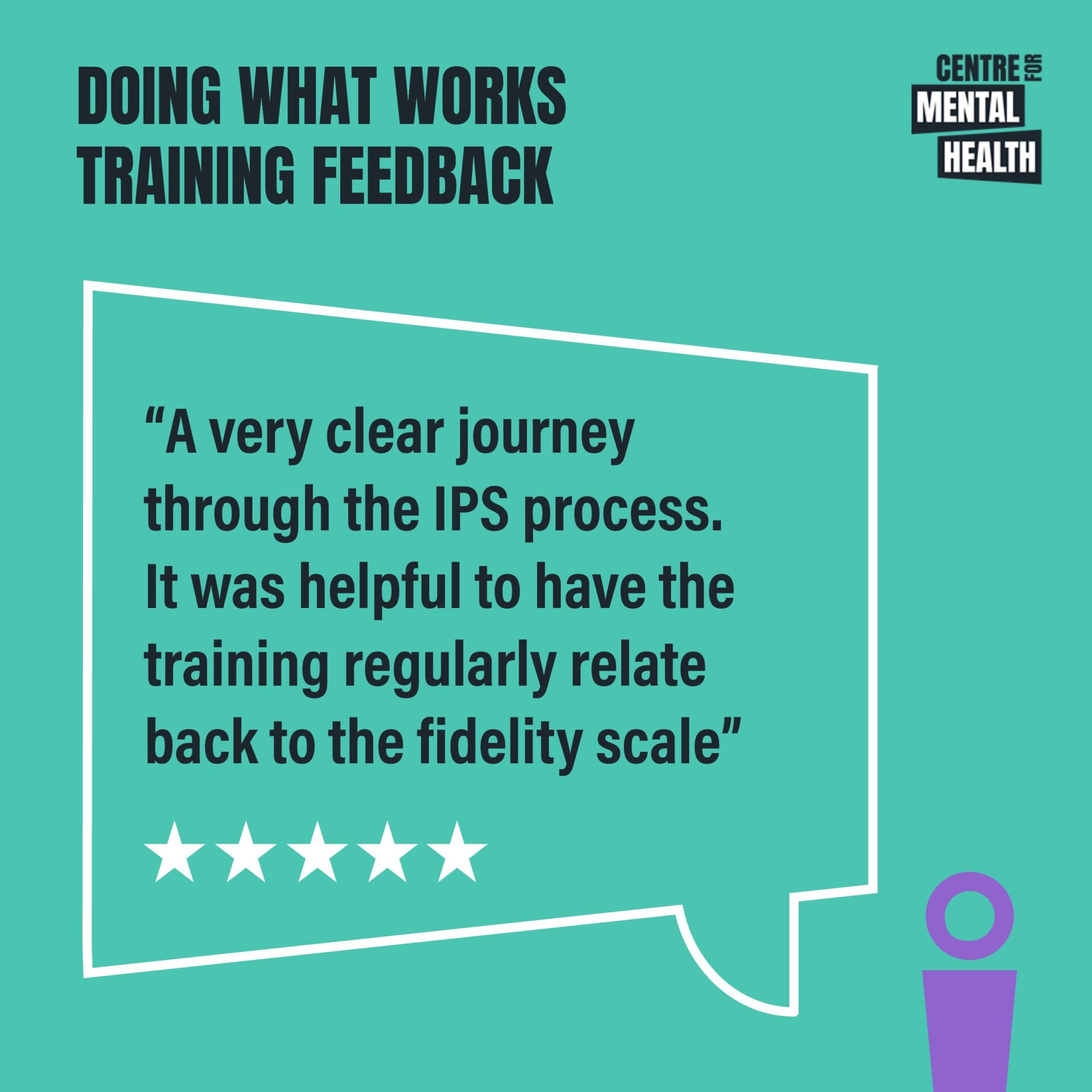
Testimonials:

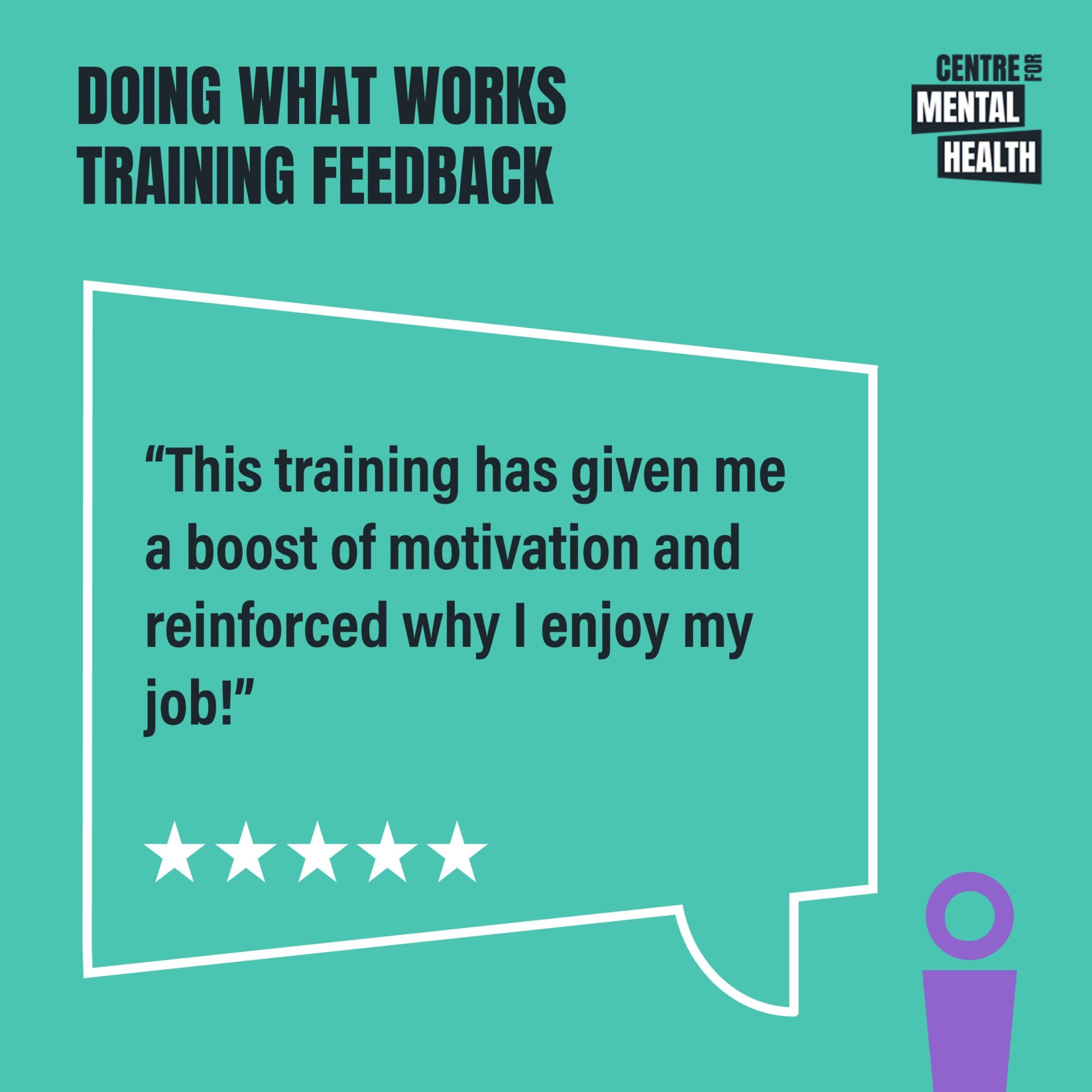

This course is accredited and certified by the CPD Certification Service as conforming to continuing professional development principles. Certificate number A014503.
Delivered live online, £370 + VAT per person.
Leading for excellence: Training for IPS supervisors
Leading for excellence: Training for IPS supervisors
This 2-day course will explore the essential elements of what it means to be a successful IPS supervisor or team leader, equipping you with the skills to effectively lead your service towards high fidelity.
You’ll gain a clear understanding of your role and responsibilities – learning how to lead your team, how to access available resources, and support employment specialists in delivering high-quality outcomes.
This course assumes you already have a good understanding of IPS principles and fidelity to the model, either from attending Doing what works: IPS training for employment specialists, or having worked as an employment specialist before stepping up into a supervisor role.
Who should attend?
Senior employment specialists, team leaders and managers who supervise employment specialists.
Entry requirements and when to attend this training:
After completing Doing what works: IPS training for employment specialists.
The training will cover:
- The key success factors in IPS and what drives high performance
- The roles and responsibilities of an IPS supervisor
- IPS as a strengths-based approach
- Techniques for coaching (GROW model) and effective supervision
- Creating supportive working environments
- Managing difficult conversations
- Encouraging employer engagement practices in your team.
- Quality and performance management practices to achieve high fidelity
- Partnership working and building effective relationships with stakeholders to support your IPS services
Testimonials:
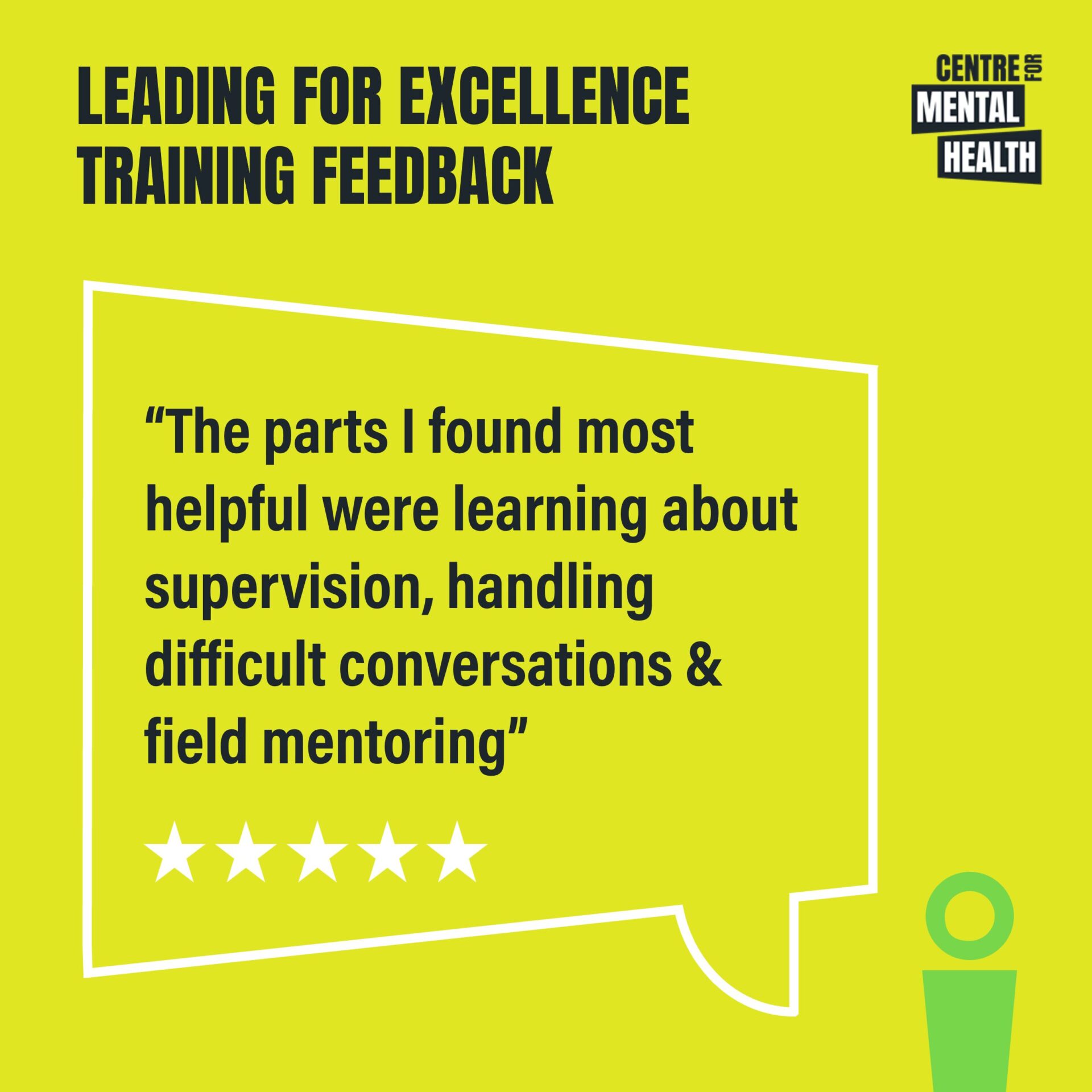
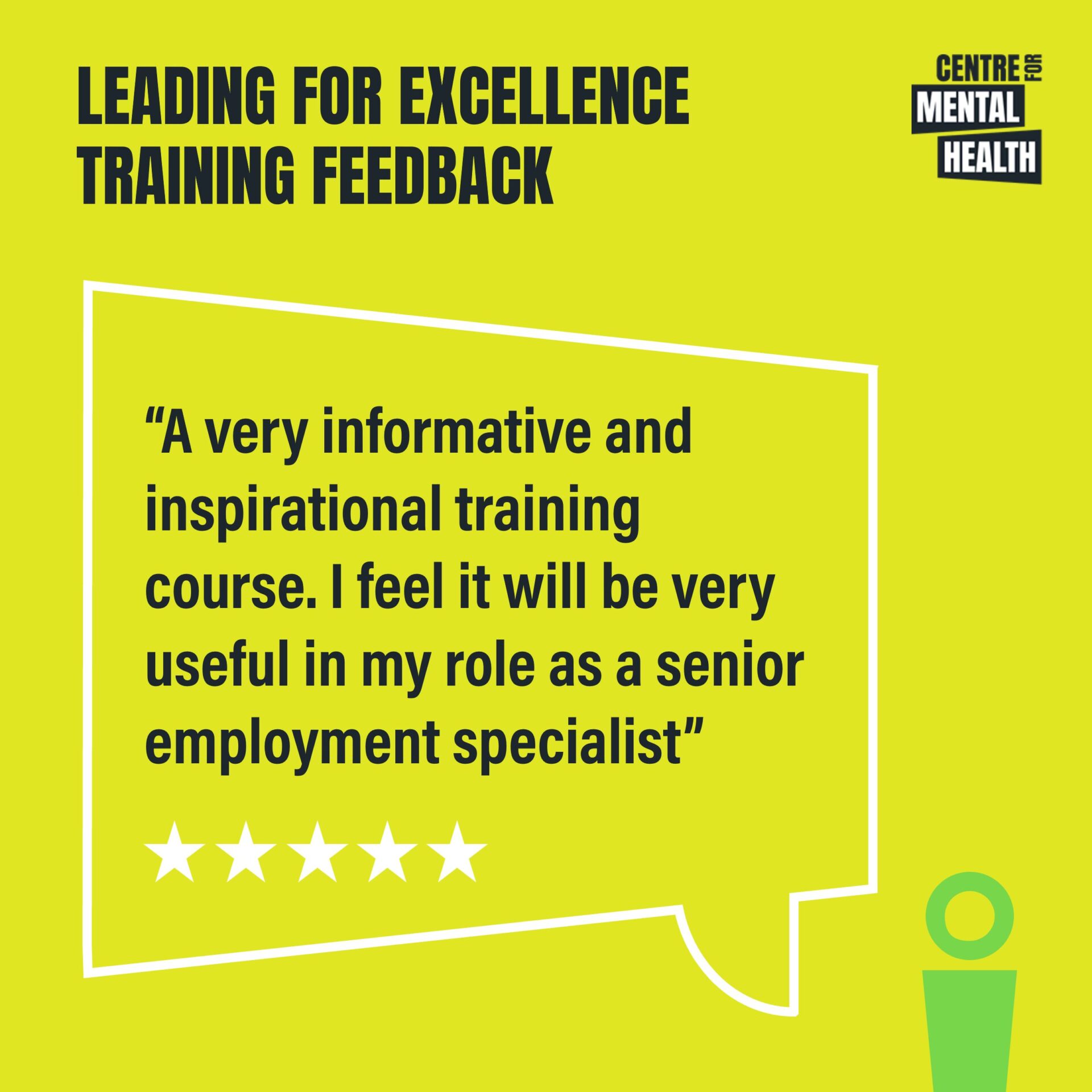
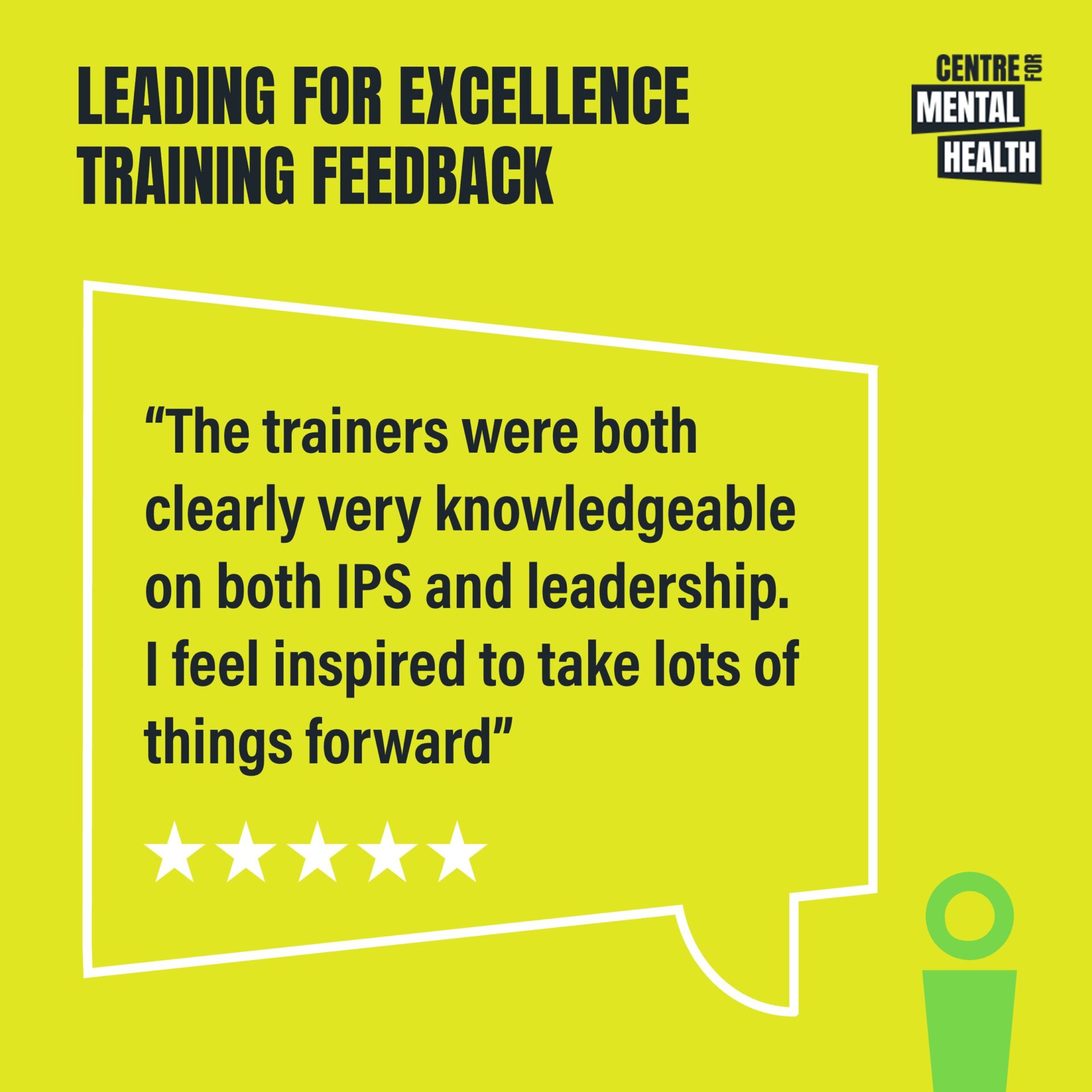
Delivered live online, £370 + VAT (£444 total) per person.
Employer engagement
Employer engagement
Level up your employer engagement with this course.
Are employers telling you to apply online? Do you introduce yourself but find things don’t progress? No problem – we understand the challenges of employer engagement, and we’re here to help you overcome them.
In this 1-day course, you’ll learn how to make a strong introduction and how to progress to a follow-up visit. We’ll guide you on what to say, and what to save for later visits. You’ll also explore how to build relationships by asking the right questions and sharing the right information.
By the end of the course, you’ll be equipped to confidently connect with local employers and make better job matches.
Who should attend?
IPS workers who directly manage a caseload of IPS clients, which typically include:
- Employment specialists
- Senior employment specialists
- Team leaders
Entry requirements and when to attend this training:
2+ months after completing Doing what works: IPS training for employment specialists.
The training will cover:
- The challenges of employer engagement and how to overcome them
- Making a good introduction
- Progressing to follow-up visits
- Managing employers’ concerns (and yours)
- Building relationships that feel natural
- How IPS benefits employers
- … and more
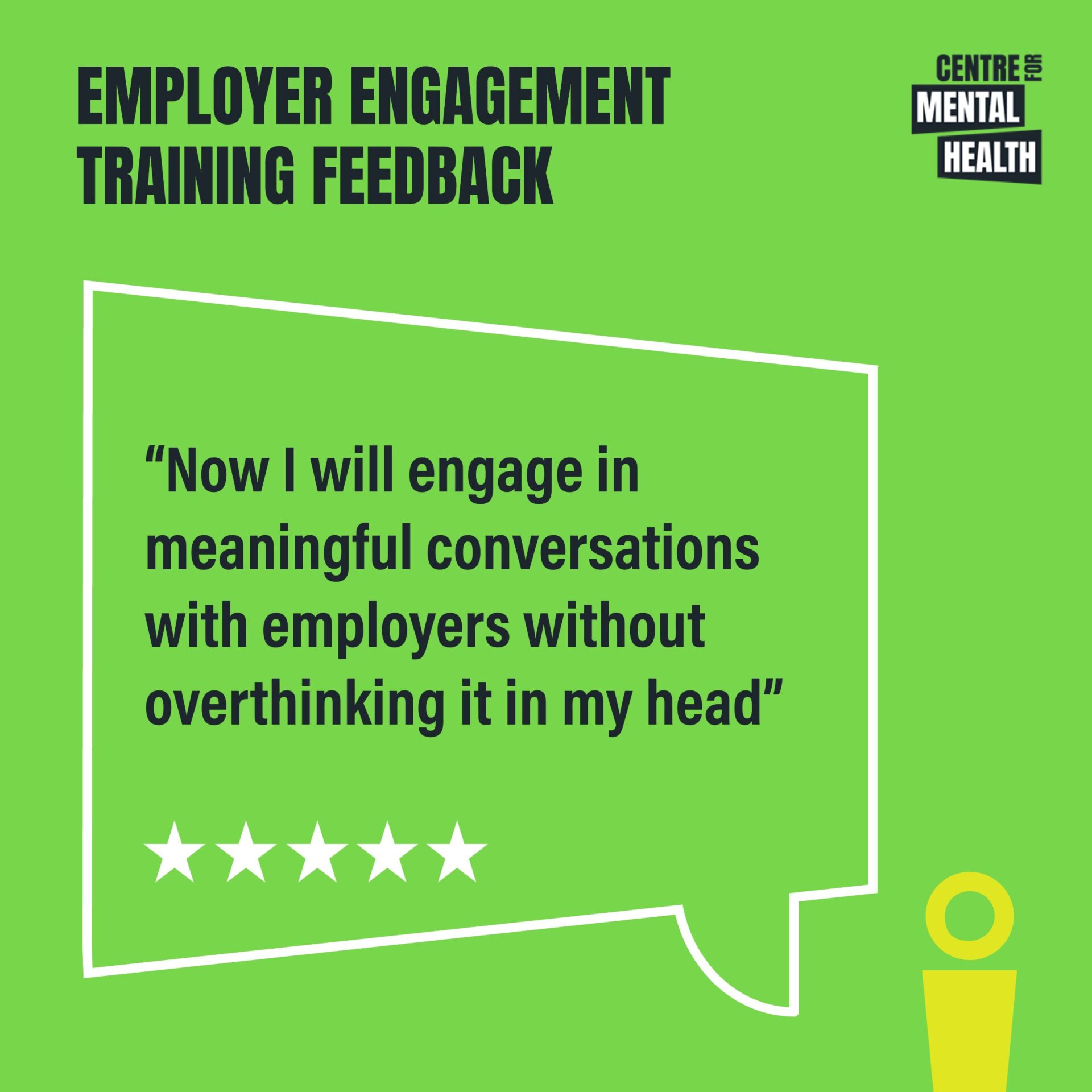
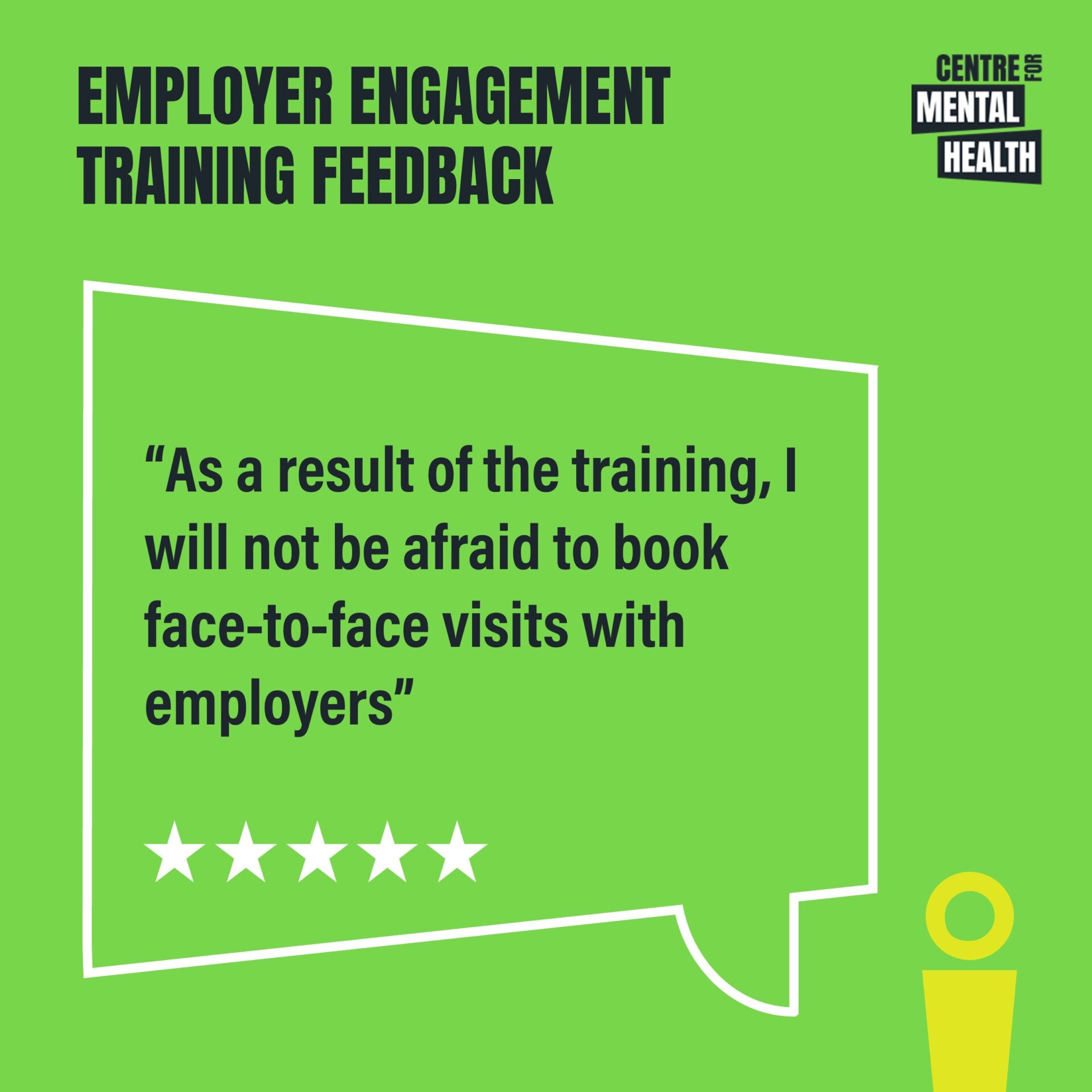
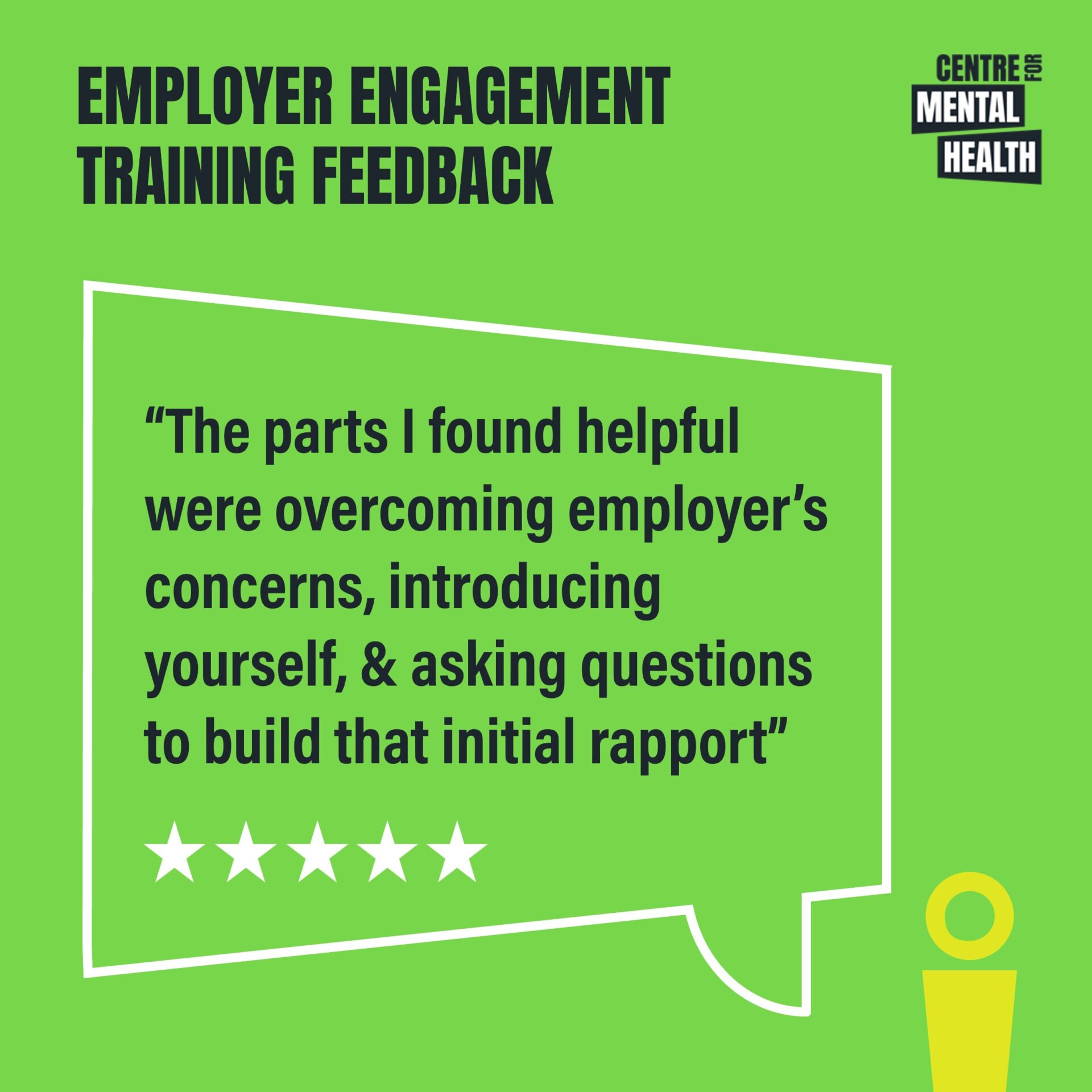
Testimonials:
Delivered live online, £210 + VAT per person.
Connect to Work FAQs
We’ve prepared a list of frequently asked questions and provided answers. Click on each question to expand the answer:
Should people be able to self-refer?
Yes. Self-referrals should be encouraged through extensive marketing and networking. It is about ensuring everyone that wants to work and is eligible for the Connect to Work can access the service. This relates to the principle of zero exclusion.
Who counts as active on a caseload?
- A person who receives monthly outreach attempts
- A person who receives monthly services from the IPS specialist
- However, a working person who calls the IPS specialist occasionally (less than monthly) to say hello and update the specialist about her job is not considered to be on the caseload
- A person’s IPS case should be closed after three months without services or outreach attempts
- If a person has been referred to an IPS specialist, but has not met the specialist yet, that person is not on the caseload.
If the brokerage team working with other employment programmes in our Borough has a vacancy, can I take advantage of this without being penalised?
No problem with this – it’s like being told about a vacancy by the Job Centre. However, if an employment specialist uses a brokerage team and never does any employer engagement themselves, then it significantly affects fidelity to the model, resulting in a lower fidelity score.
If an employment specialist carries out all six phases of employment support, they score five on fidelity item 3. However, if they never do job development (employer engagement), then they lose one point for fidelity item 3.
Using a job broker would also result in losing points on the following fidelity items:
- Item 15 – rapid job search, because the ES does not have a F2F meeting with employer at an early stage
- Item 16 – individualised job search for specific clients on the caseload is unlikely, so more points will be lost
- Item 17 – frequent employer contact by the ES – score 1
- Item 18 – quality of employer contact by the ES – score 1
In summary:
Occasional use of a brokerage team is fine as a supplement to the ES role. However, if it replaces the ES’s responsibility for employer engagement and job development, it can significantly impact fidelity scores.
What counts as time in the community?
The ES role is a community-based role. Fidelity says that employment services such as engagement, job finding, and follow-along supports are provided in natural community settings by all employment specialists.
What Counts:
- Meeting with participants in community settings, their homes, libraries, cafés etc.
- Regular community settings that anyone without a diagnosis can access.
- Going with participants to employer meetings, interviews and tours.
- Travel time to meetings with participants in the community.
- Face-to-face job development
- Observing or coaching someone in their place of employment
- Meetings held in schools, colleges and Job Centre offices
What Doesn’t Count:
- Normal “commuting time” to/from work (regardless of the setting)
- Vocational Unit meetings held in the community
- Individual supervision held in the community
- Completing documentation (case notes) or other paperwork in the community
- Team meetings and commute time to/from these meetings
- Commuting to remote offices
- Meeting with participants at group homes or any referring agency offices
- Phone or virtual client meetings conducted in a café, library, etc
- Virtual job development (phone, text, Zoom, Teams, social media)