
Ageing, friendship and memory
We’re well into our fifties now. Some of us are even older. Our once youthful complexions are crinkled and gently fading. Our once boundless enthusiasm is tempered. And our optimism is a little diminished. It’s not all bad. Our rivalries are better managed, our affection for each other more easily expressed. It is, unbelievably, almost forty years since some of us first met. And whilst some things have changed beyond recognition, like how we communicate and how we work, some things have remained constant. (We will love you forever, Kylie Minogue). And our affection for one another has deepened. We’ve sat at many tables on as many occasions over the years and shared our triumphs and tribulations, joys, and heartbreaks, as well as the familiar details of the humdrum of middle aged life. And as I look around at their smiling faces, with thoughts still percolating from my recent research into gay men and ageing in the UK, my memories of the struggles we endured together in the 1980s and 90s come to the forefront of my mind.
Living in the aftermath
The AIDS crisis in the UK reached its peak, some might even claim ended, almost three decades ago. It is a facet of social history from a time anyone under forty would be hard pushed to recall. And yet, despite the passing of time, I would say, as I sit here with my friends, that we are still living in its aftermath. We are each survivors, whether infected by HIV or not, of a catastrophic crisis that we have carried with us, deep within us, in some form or other, ever since. We are inheritors of a time that divided history, for gay men of my age at least, into a before and after, presence and absence, survivorship, and death. And although the dark days of AIDS are long gone, and medications nowadays are breathtakingly effective, the memories of those times persist, and the harms are still felt. The long shadows of AIDS continue to be felt, to greater or lesser extents, by each and every one of us, not least in relation to how we make sense of who we were then and who we are now.
Social and emotional impacts
The AIDS crises of the 1980s and 1990s were more than epidemiological events. The way we lived our lives was influenced by public health messaging – which was sometimes useful, oftentimes moralistic, and usually irrelevant – as well as by radical activism, by institutionalised and system-wide hate, as well as community support, and by stigma and shame, as well as deep solidarity. Fear and grief, and deep anger, influenced and affected how we imagined the future, how we valued ourselves, and how we gave expression to intimacy. Many of us adapted to semi-permanent states of anticipatory mourning or internalised a fatalist belief that we wouldn’t survive.
Community responses
And despite, or perhaps because of the devastation, our responses were swift and creative. LGBTQ+ people and our allies set up systems of care and practical help when institutions failed, these included support groups, food kitchens, AIDS buddies, nurses, and debt and benefits advice. We learned to support one another, to find a common humanity, and to lend a hand. And from the fear and devastation grew an infrastructure of community organisations that grew and adapted and continue to support us to this day, for example, LGBT Foundation, London Friend, and The Eddystone Trust.
Chosen families and the ethics of care
I like to use the phrase ‘forged in the cauldron’ when I speak of the friends and lovers I had then. It captures their intense, transformative effects. In the throes of grief and multiple loss, these relationships evolved into chosen families. They were shaped by shared experiences and deep trauma. In the absence of institutional support, we became each other’s confidants and soul mates and sources of practical help and psychological support. These bonds, born in hospital waiting rooms and vigils, in support groups and activist gatherings, in bars and parties, laid the emotional groundwork for survival and healing. To care for ourselves and for each other became acts of political resistance, as well as of personal and collective survival, and love.
Chemsex and contemporary trauma
Gay men today continue to feel the effects of the AIDS crisis, not only through personal loss and survivor guilt, but also in the trauma that persists, and is shared across generations, and shapes the ways we interact. The rise of chemsex (the use of drugs like crystal meth during sex) might be seen as one such manifestation. Such activities are, in their simplest form, a pursuit of pleasure, yet chemsex can, for some, also become deeply entangled with shame, loneliness, and a search for connection. It might equally reflect unresolved trauma and internalised stigma, rooted in early experiences of homophobia and rejection, as well as other catastrophic events, including the AIDS crisis. Addiction, overdose, and sexual violence are common in these contexts, and support services are often slow to respond or fail to meet the needs of those affected. Gay men’s lives, it seems, are still as dispensable today as they were forty years ago.
Mental health and collective memory
The mental health legacy of AIDS is complex. It encompasses deep psychological wounds and catastrophic re-enactments (the unconscious repetition of past traumatic events). We know, for example, that suicide rates among gay men are disproportionately high, and many report depression and anxiety. Yet it also conveys a kind of empowerment. We want to be visible and acknowledged. We have a deep pride in who we are in all our diversity and difference. And we display profound resilience in the face of our ongoing, and sometimes growing, marginalisation as members of an international LGBTQIA+ community.
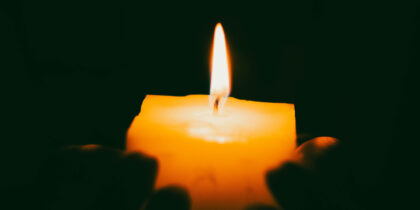
AIDS taught us to live with contradiction, to find meaning amid devastation, and to sit in the pain of grief and the relief that love brings. World AIDS Day is not only for remembering but also for living. It is a moment to recommit to truth, care, and collective survival. It reminds us that history is not past. It lives within us. It is carried in our memories, in our anecdotes and stories, and in our friendships. To remember is political. It galvanises us. It also reminds others of our right to exist. It gives life to the memories of those we lost and restates our love and gratitude for those we still have. It affirms our life long determination for justice. And it makes plain our dogged refusal to forget.