
Climate change is often described in numbers: rising global temperatures, millimetres of sea-level rise, inches of rainfall, gigatonnes of carbon emitted. But though calculable figures dominate the conversation, there is a need to give attention to the psychological fallout of living on a planet whose climate is struggling. It’s not just the ice caps that are melting – our mental resilience is also under pressure.
Let’s start with obvious extreme weather events. Floods, wildfires, and heatwaves don’t just damage homes and infrastructure; they shake our sense of safety, our attachment to belongings and each other. Survivors of such disasters face significantly higher rates of post-traumatic stress disorder (PTSD), depression, and anxiety. The Lancet Planetary Health (2018) highlighted how natural disasters linked to climate change correlate with long-term mental health challenges. And sadly, it seems the “once-in-a-century storm” now has a recurring calendar invite.
There is also the less dramatic but equally insidious impacts of climate stressors. We are seeing increasingly frequent crops failure in prolonged droughts which leads to crop failure and therefore insufficient food, deterioration in water quality as a vital life source, and communities displaced by coastal erosion and flooding. Solastalgia – the distress of witnessing environmental change around you – is increasing. Unlike nostalgia, which yearns for a place in the past, solastalgia is mourning the present as it crumbles under your feet. An environment of increasing extremes also provides the criteria necessary for an increased number of immediate physical health threats including: increasing CO2 levels impacting on respiratory and cardiovascular health, heat stress leading to dehydration, and communicable disease spread. Most recognise that the lockdown in the Covid pandemic affected our psychological wellbeing.
But climate change doesn’t just affect whether we’re anxious; it also affects how our brains actually function. Prolonged heat exposure has been linked to irritability, aggression, and even increased suicide rates. It is reported that for every 1°C rise in monthly average temperature, there’s a measurable increase in suicide rates (Nature Climate Change, 2020).
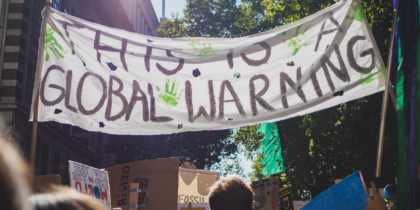
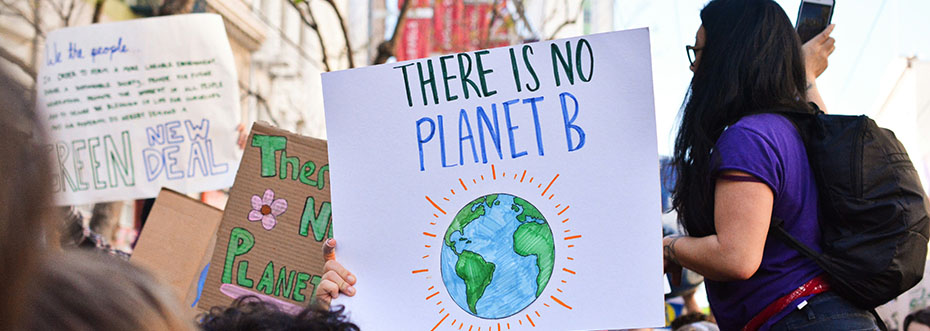
So, what can we do? First, acknowledge that climate change is a mental health issue as much as a physical or environmental one. Integrating psychological support into disaster relief is crucial, but so is preventative care: fostering community resilience, creating green spaces, and teaching coping strategies that counter helplessness. Embedding crisis planning for an extreme weather event into the plans for those with significant and enduring mental health issues is becoming more essential, but many healthcare professionals currently do not consider it. Crucially, giving people a sense of agency – whether through activism, sustainable lifestyle changes, or collective action – can buffer against despair. And yes, humour helps too. Joking about the apocalypse won’t save us, but it might make the wait for policy change more bearable.
The climate crisis is not just a planetary fever, it’s a psychological stress test. Addressing it means catering to the planet’s sustainability needs as well as our own psychological needs. Otherwise, we risk ending up with a world that is both uninhabitable and inconsolable.
Dr Angela Smith is a Consultant Clinical Psychologist at Lincolnshire Partnership NHS Foundation Trust