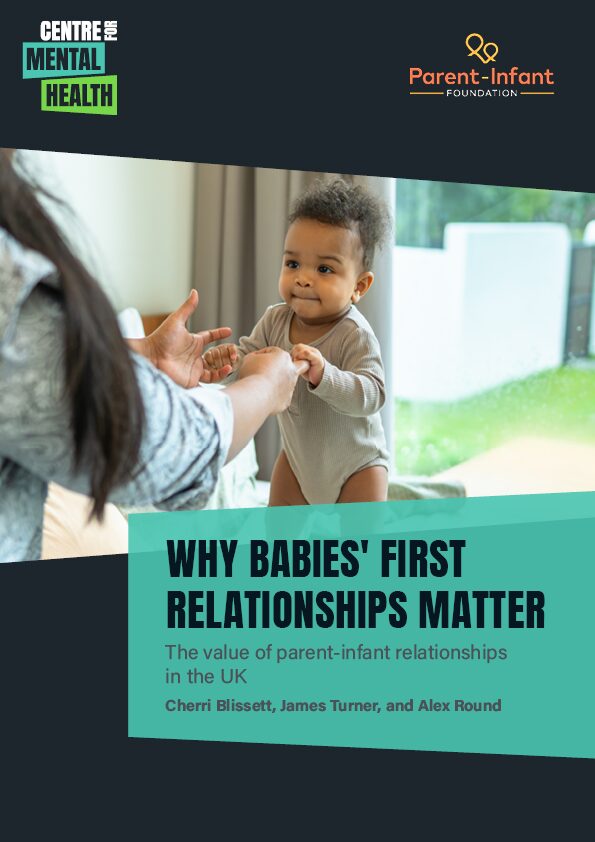

The value of parent-infant relationships in the UK
Cherri Blissett, James Turner and Alex Round
Secure parent–infant relationships underpin a baby’s emotional regulation, resilience, and healthy development, bringing lifelong benefits. A lack of a secure connection significantly increases the risk of anxiety and depression throughout life, and children with insecure attachment are disproportionately represented in child protection systems, care placements, and youth justice.
Parent–infant teams are specialised services that provide intensive, relationship-focused support for parents and babies, helping babies be safer, happier and healthier. Why babies’ first relationships matter finds that this specialised early support reduces demand for statutory services, improves child and parent wellbeing, and delivers strong social and economic returns.
Yet, the report finds that only around 4% of babies and their families in need can currently access specialised parent-infant support, with significant gaps in service provision in rural, coastal, and disadvantaged urban areas, disproportionately affecting families living in poverty, from racialised communities, or experiencing parental mental health challenges.
Investment in early relationships and infant mental health is both an effective preventative strategy and a robust economic decision. The report estimates the value of specialised support to each child across their whole lifetime of over £40,000 per child. Expanding access to parent-infant teams to reach 28,800 families per year (a costed expansion plan from Parent-Infant Foundation) could save over £1.15 billion per year, realised over the lifetime of those seen. If provision was extended further to support all babies who need it, there is potential for this figure to be even higher
Based on the significant economic, social and clinical benefits delivered by specialised parent–infant relationship teams, this report calls on the Government to expand access to these vital services across the UK. Specific recommendations include:
- Expand parent-infant services with multi-year investment, national leadership and statutory guidance to support consistent local implementation
- Deliver expanded services in partnership with existing programmes: Best Start Family Hubs in England; Health and Social Care Partnerships and Early Learning and Childcare services in Scotland; Flying start programme in disadvantaged areas in Wales, and Sure Start and Early Intervention Transformation programmes in disadvantaged areas in Northern Ireland
- Develop a Modern Service Framework for children and young people’s mental health as part of the implementation of the NHS 10 Year Health Plan with clear expectations around the provision of mental health support for under-5s and their families.